












What Is Meccha Chameleon?
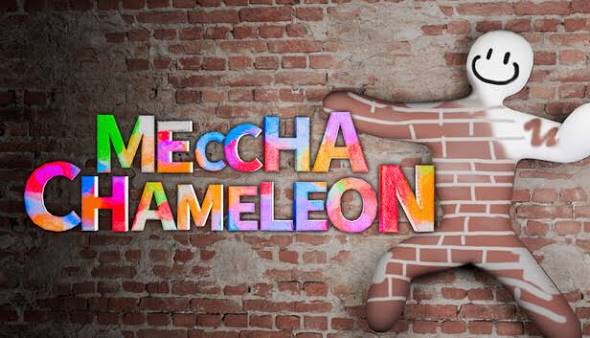
Meccha Chameleon turns multiplayer hide-and-seek into a visual bluff. One team hides, the other searches, but Hiders can paint their characters to imitate the colors and patterns around them. Finding cover is only the first step: the disguise must also make sense in its exact position.
That changes what both sides pay attention to. Hiders study walls, furniture, fences, playground equipment, and other props for useful colors. Seekers inspect those same spaces for a shade that is slightly wrong, a silhouette that does not belong, or a character that moves at the worst possible moment.
How a Round Works
Each side has a clear objective. Hiders prepare their camouflage, settle into the environment, and try to avoid discovery until the timer expires. Seekers use the available search time to locate and identify the hidden players.
The strongest disguises combine several decisions:
- Color: Match the dominant tones around the hiding place.
- Position: Stand where a character-shaped outline is less conspicuous.
- Pose: Make the silhouette feel compatible with nearby objects.
- Movement: Stay still when a Seeker is studying the area.
- Surroundings: Use visual clutter and cover without choosing an obviously popular spot.
A detailed paint pattern cannot rescue a player standing in an unnatural location. Conversely, a simple disguise can survive when its position makes visual sense.
Camouflage Tips for Hiders
Start by choosing the hiding position, then build the disguise for that specific spot. This is more reliable than painting first and wandering around for a matching surface. Look for two or three dominant colors rather than trying to reproduce every small texture.
Avoid isolated open areas unless the disguise has a convincing reason to be there. Edges, clusters of props, furniture, fences, and visually busy backgrounds can break up the character outline. Once a Seeker is nearby, unnecessary adjustment often attracts more attention than an imperfect color match.
Search Tips for Seekers
Divide the map into small visual zones and finish one before moving to the next. Rapid movement makes it easy to miss the exact details the Hider is trying to disguise: an uneven outline, a color transition in the wrong place, or a shape that is almost symmetrical but not quite.
Change your viewing angle when a surface looks suspicious. A disguise that blends from one direction may separate from the background when seen from the side. Also revisit obvious locations later in the search; a Hider may move into an area after believing it has already been cleared.
Why Every Match Can Feel Different
The maps provide the scenery, but players create the deception. One Hider may spend time building a detailed pattern, while another relies on a plain color and an unexpectedly believable pose. Seekers also develop different habits: some check common spots first, while others hunt for small visual inconsistencies.
That human decision-making gives repeat rounds their variety. Learning a map helps, but it does not reveal which disguise another player will invent or which suspicious detail a Seeker will notice.
Browser Loading and Fullscreen
The player above loads Meccha Chameleon from an external game domain after you select Play. On a first visit, initialization can take longer while the browser requests the game’s files. Keep the page open during loading and use the visible retry control if the player reports a timeout.
If the frame remains blank, check the connection and temporarily disable strict blocking for this page. Browser privacy settings can sometimes prevent third-party game storage or multiplayer services from initializing. Fullscreen is useful once the game has loaded, particularly when small visual differences matter during a search.
Independent Page Notice
This is an independent information and launch page, not the official Meccha Chameleon website. The embedded experience is served through a third-party browser game player; the original game, artwork, code, audio, names, and other materials remain with their respective rights holders.